Building success
Being a successful therapist doesn’t depend on skill alone. Hellen Ward explores why consistency, curiosity and commitment are essential to maintaining a full column
Most of my younger team don’t realise that I used to be a hairdresser. Having worked my way up from sweeping up and washing hair after school in my mum’s salon, I’ve worked every role, from front of house to running a column – all of which gave me the ultimate 360-degree experience which I use every day to my benefit as a salon owner. Nobody understands a job role quite the same unless they have worked it themselves. It certainly means you can’t get the wool pulled over your eyes.
I was an apprentice and ran a column before I got into salon management. I was never a great hairdresser or colourist, but I was always really busy and much in demand. I was brilliant at consultations, advising, prescribing and rebooking. I could upsell, create loyalty, gain trust and grow and develop my client spend. What I wasn’t so good at was the hairdressing bit (in fact, that’s an understatement!). But I was booked up way in advance. So, what was I doing so right?
Change of pace
The stress of worrying about my technical competence overruled my lack of ability. Despite people wanting to see me, I knew I couldn’t quite cut it (pardon the pun) on the skills front, and management and the business side of things was my calling. Far more interesting, less pressure, more intoxicating. It takes a certain type of person to get excited about figures, profit and statistical data – and that was me!
But looking back at my busy column, it made me ponder. We all know operators who have all the chat and are much in demand, yet they may lack the skills of their peers. Think of the busiest therapist you know, and they might not be the most precise technically – but they have that elusive X factor that makes them the go-to in the salon. I’ve seen it time and again in my career in salons of every level up and down the country – technical best doesn’t always equate to busiest.
It got me thinking recently about what it takes to be skilled at building a column, because ironically, it’s not just down to the creative talent or skin knowledge. Growing a great following takes personality, drive and patience but above all, you’ve got to be in it to win it. Unless you put the hours in, it simply won’t happen. That’s why it’s so hard on people returning to work after unpaid leave, working reduced hours – particularly the mums who have taken maternity leave then want to come back but find it difficult to build up when they are only working a couple of days per week.
Keeping consistent
We had a fantastic hairdresser who left to start a new life in Spain and open a salon. When he left, he was fully booked. It didn’t work out and, just months later, he returned. Sadly, his column never did get back to its former glory, and he was never as busy again. In the interim, his clients had defected to other people and simply didn’t come back to him. Similarly, I had a friend who told me how fantastic a particular colourist was, and how gutted she was not to be able to see her, yet when said operator came back from her maternity leave and I excitedly informed her she could book her, she told me she was happy with who she was seeing now.
It’s extremely hard to build back up when you are only working a few hours a week and your career is no longer your focus. Life gets in the way. Those scheduled days then might change or be unfulfilled and you’re left with a meagre supply of appointments to offer your dwindling following.
Not nearly enough coaching is done on how to build a column. Salons would maximise their profitability if they focused on teaching the soft skills that create that elusive demand. It baffles me why there isn’t more training and education around this critical art, when there’s a never a lack of technical or practical skills training and development on offer.
How to stay in demand
Building a busy following is not just to the benefit of the salon, but to the individual, too. Everybody wins, especially in this new normal of up to 19 weeks between visits (latest data suggests). So, what exactly does it take to be the most in demand in the salon?
1. Professional curiosity
Unless you develop your skills at becoming professionally curious, you can’t adequately establish the client’s wish list or develop a long-term treatment plan. Without a reason to come back to you, you’re leaving it in the hands of the customer to initiate the revisit. Statistically, clients won’t return as quickly until you create a reason to do so. Rebooking is, therefore, far more likely if there’s been a detailed consultation (pre, during and post service) to assess needs, wants and goals. Advise, prescribe and recommend – develop and hone that professional curiosity. The client will feel they’ve been listened to, and failure do that remains one of the top reasons they leave.
2. Consistency of service delivery
People value consistency above all – they’d prefer an eight out of 10 experience every time to a 10/10 followed by a 3/10 experience. Most people want reliability – to feel remembered, special and valued each time. Think about recommending your favourite restaurant to a friend – you’d rather tell them to visit somewhere consistent than a hit and miss venue.
3. Commitment to your days/ hours
We’d all like to believe our clients wouldn’t survive without us, but here’s the truth – they’ll find someone else if your availability doesn’t suit. Keeping to the same days is key and helps them come back to you, but continuously chop and change your days or hours (even if it’s not your fault) and you risk them finding you just too much hassle. Nobody is so good that plans can be dropped willy-nilly (however indispensable they may think they are!) Having a quiet day and leaving early, swapping and changing hours and timings – all serves to confuse and compromise your customer base. It’s worth carrying out a mystery shop on operators who aren’t building up to your expectations. Feeding precious new customers to someone who isn’t guaranteed to ensure their return is a liability we can ill afford, so coaching those in these vital soft skills should pay dividends for you and them.
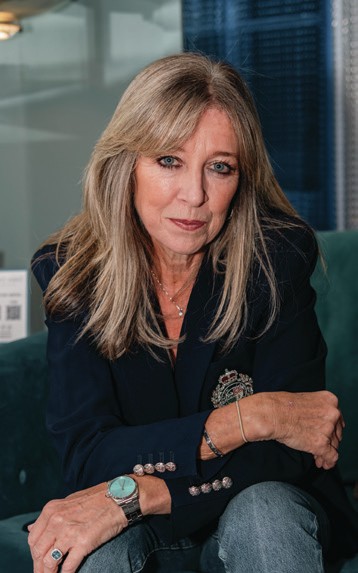
Hellen Ward is managing director of Richard Ward Hair & Metrospa in London, vice president of The Hair & Beauty Charity and co-founder of Salon Employers Association (SEA).
“Growing a great following takes personality, drive and patience but above all, you’ve got to be in it to win it. Unless you put the hours in, it simply won’t happen”