Ask the experts
Our beauty experts answer your questions about every aspect of running a salon or spa business
How can I use interior design to elevate my business?
The space you occupy significantly shapes how clients perceive your professionalism and trustworthiness, and your design choices are central to this experience.
According to the 2026 Global Beauty & Personal Care Predictions, the sector is at a pivotal moment as it evolves into a health-integrated category. With growing consumer focus on holistic wellbeing, the convergence of technological innovation and demand makes 2026 a year of wellness-driven beauty. Rising expectations are driving sensory-led design, where calming textures, soothing colours and gentle lighting turn interiors into part of the treatment experience.
A clean, welcoming space encourages repeat visits and supports business success. While aesthetics matter, functionality is equally important. The Professional Beauty and Grooming Treatment Consumer 2025 report found that 61% of UK adults who have had a professional treatment consider a pleasant experience more important than cost.
Markers of a professional clinical environment include sleek lines, easy-to-clean surfaces, clutter-free zones and strong organisation. These details separate a polished, trustworthy space from one that feels chaotic. The fundamentals below can help guide your approach.
Make a strong first impression: The client journey begins at the door, so the reception area should set the tone. Use natural light where possible, or replicate it with thoughtful lighting. Organic materials such as wood and stone, neutral tones, and statement plants all help create a calm feel. Every design choice should support that initial client experience.
Declutter: A clutter-free space improves both client relaxation and staff efficiency. Simplicity creates a high-end feel without necessarily increasing spend. Focus on zoning products by treatment, removing unused stock, and rethinking storage so displays are both functional and visually clean, with easy access. A tidy environment also supports cross-infection control and regulatory compliance.
Consider lighting: Layered lighting helps reduce client anxiety while supporting treatment precision. Reception areas should feel soft and calming, using neutral tones and gentle illumination. Treatment rooms need a balance of task lighting for precision and accent lighting to enhance atmosphere and design features.
Ensure client privacy: Use smart zoning to separate consultation and treatment areas. Screens, partitions or statement curtains can help create discreet, individual spaces, particularly for treatments involving undressing or sensitive discussions.
Remember storage: Good storage keeps environments functional and clutter-free. Cabinets and shelving should ensure tools, products and linens are easy to access without disrupting flow. Floating shelves and wall-mounted units can maximise floor space, while well-designed cabinetry can enhance the overall aesthetic.
Don’t forget branding: Interior design should reinforce your brand identity – use signature colours, logo placements and consistent design cues that align with your wider marketing. A cohesive environment creates a more memorable and professional client experience.
Consider flexibility: Treatment technology and client expectations will continue to evolve, so interiors should be adaptable. Design layouts that allow for equipment upgrades, service expansion and easy reconfiguration as your business grows.

KATIE THOMAS is the founder of KTM Design, a wellness-focused interior design company. Thomas has over a decade’s experience working in interior design and is also a lecturer of Interior Design at Arts University Bournemouth.
How could evolving laser regulations impact my clinic's approach to skin resurfacing?
The regulatory landscape for aesthetic treatments continues to evolve across the UK, and clinic owners should remain informed about developments that may influence how certain procedures are delivered in the future.
In England, the Government has proposed a licensing framework for non-surgical cosmetic procedures under powers introduced through the Health and Care Act 2022. While the final details are still being developed, the intention is to introduce greater consistency around practitioner competence, treatment settings and patient safety for higher-risk procedures.
Although it has not yet been confirmed how individual technologies will be classified, many industry stakeholders anticipate that treatments carrying a higher risk profile – such as ablative laser procedures that intentionally remove or damage the skin's surface – could be subject to more stringent requirements.
Scotland has already taken steps towards a more structured regulatory approach, introducing legislation aimed at improving standards and oversight across the non-surgical aesthetics sector.
For clinic owners, this presents an opportunity to review the technologies they offer and consider how different treatment modalities can complement one another within a modern aesthetic practice.
Ablative CO₂ lasers have long been recognised as an effective option for skin resurfacing. By removing controlled portions of the skin's surface, they can deliver significant improvements in texture, scarring and signs of ageing. However, these treatments typically involve greater downtime and require careful client selection and post-treatment management.
Alongside ablative technologies, non-ablative fractional laser systems have become increasingly popular due to their ability to achieve meaningful skin remodelling with reduced recovery times. In particular, dual-wavelength platforms combining 1550nm and 1927nm wavelengths allow practitioners to target both the deeper dermis and the epidermis within a single treatment approach.
The 1550nm wavelength works primarily within the dermis, stimulating collagen remodelling and addressing concerns such as acne scarring, fine lines and textural irregularities.
The 1927nm wavelength focuses more superficially on pigmentation, sun damage and overall skin quality.
Together, these wavelengths enable clinicians to treat a broad range of concerns while offering patients a treatment experience that is generally more comfortable and associated with less downtime than ablative resurfacing.
Importantly, non-ablative technologies can often be used across a wider range of skin types and may provide greater flexibility for patients seeking effective rejuvenation without extended recovery periods. They can be effective for addressing concerns including pigmentation, photo-ageing, acne scarring, uneven texture and preventative skin maintenance, making them a valuable addition to many clinics' treatment portfolios.
Rather than viewing ablative and non-ablative lasers as competing technologies, many clinics are increasingly recognising the value of both.
Each has distinct strengths and may be appropriate for different client needs, goals and clinical settings. While ablative treatments remain an important option for clients requiring more intensive resurfacing, non-ablative platforms can provide a versatile alternative for those seeking effective results with reduced downtime and a lower treatment burden.
By understanding the capabilities of both ablative and non-ablative technologies, practitioners can continue to deliver excellent outcomes while remaining well positioned for whatever future regulatory changes may bring.
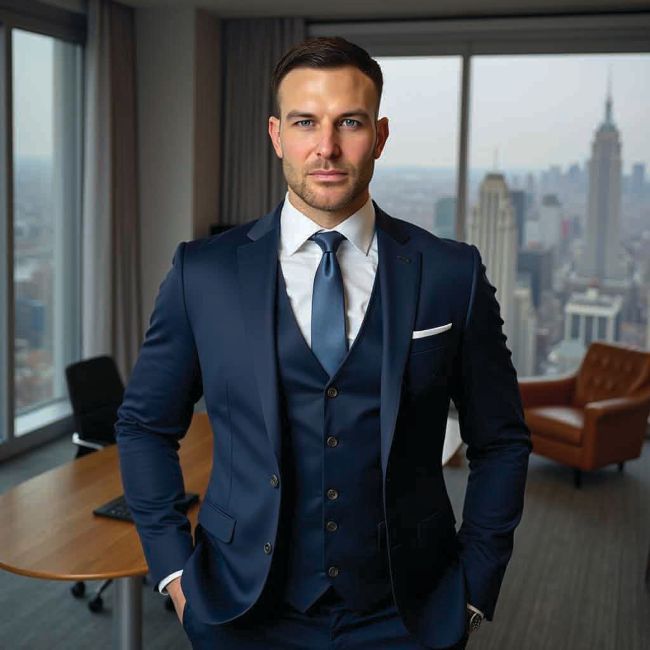
ROB KNOWLES is a biomedical engineer and chief executive of laser device provider Skyncare, with over a decade of direct experience in medical laser technology. He is a certified laser protection advisor (LPA) and general secretary of the Association of Laser Safety Professionals.
When is the right time to move to bigger salon premises?
My decision to move to a larger premises came from investing in myself as a business owner. In October 2024, I joined a coaching programme that took my business through a structured growth journey.
One of the biggest challenges in our industry is that many salon owners start as incredible therapists, not trained business owners. We’re passionate about treatments and client care, but very few of us are taught how to build a scalable, sustainable business.
One of the first exercises in the programme was defining our vision, values and long-term goals. My passion has always been breaking the mould within the beauty industry by creating a business where the team could be well-paid, supported and able to build long-term careers.
When we mapped out revenue, treatment capacity and growth projections, it became clear that we simply couldn’t achieve those goals in our existing premises. We had outgrown the space operationally, financially and creatively. The move was about creating the infrastructure needed to support the future vision of the business.
Instead of thinking like a therapist trying to fit more clients into the diary, I started thinking like a business owner building a company with room for growth and progression.
Plan every detail
My priority was protecting the heartbeat of the business while scaling it. Clients still needed to experience the warmth and care that my salon is known for, while the new premises also needed to strengthen our brand positioning.
We chose to launch on International Women’s Day because it aligned perfectly with our values as a female-led business. Once we had the date, we worked backwards and built the entire transition plan around it.
We gave ourselves one week to complete the move. After finishing our final treatments on Saturday, we used Sunday as a reset day before moving everything into the new premises on Monday. The following days were spent unpacking, organising and preparing the salon for clients.
Before officially opening, we held a soft launch for VIP clients. This allowed the team to settle into the new space and helped loyal clients feel part of the journey.
Bring your team with you
A move like this only works if your team believes in the vision as much as you do. I involved them in decisions wherever possible because I wanted them to feel ownership over the new environment.
We talked openly about both the exciting opportunities and the inevitable challenges. Throughout the process, I reminded the team why we were doing this: not just for business growth, but to create more opportunities, better facilities and a stronger future together.
Expect challenges outside your control
The biggest obstacles were the factors I couldn’t control. Delays with solicitors, changing timescales and unexpected building issues all added pressure to the project.
We had built an extra month into the schedule as contingency, yet the fit-out still overran until the final stages. One of the biggest lessons I learned was to focus on “controlling the controllables”. Rather than becoming overwhelmed by delays, I channelled my energy into supporting the team, communicating with clients and keeping the business moving forward.
Key lessons for salon owners
If you're considering expansion, make sure you're doing it for the right reasons. Bigger isn't always better unless it aligns with your vision, systems and long-term goals.
Build contingency into everything, including finances, timelines and your own energy levels. Expansion magnifies both strengths and weaknesses, so make sure your foundations are solid before taking the next step.
Most importantly, don't underestimate the value of your team and community. Bring people on the journey with you, communicate regularly and trust yourself. Growth can be uncomfortable, but the right move at the right time can create incredible opportunities for both your business and your team.
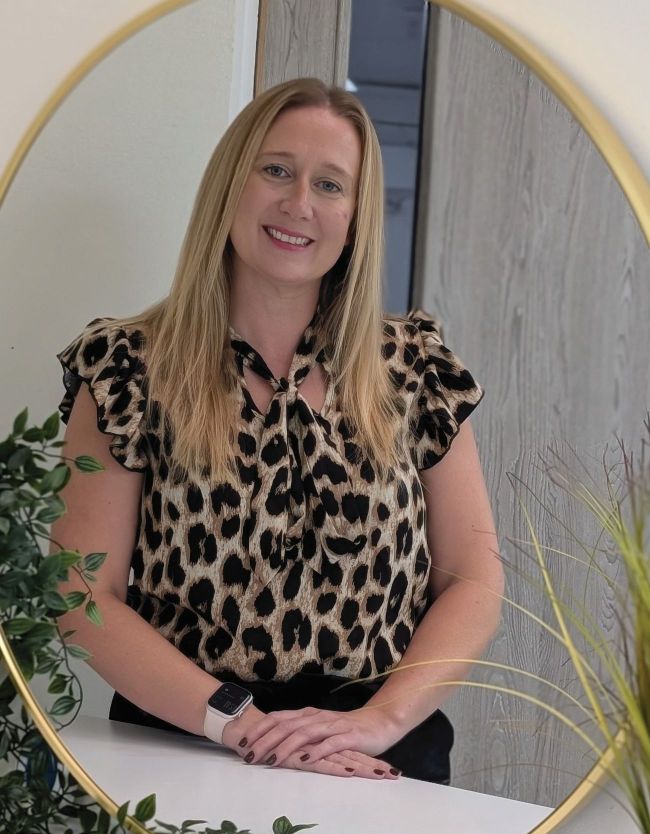
CHARLOTTE SIMS is the founder of Charisma Beauty, Skincare & Aesthetics in Norwich. Sims has been in the industry for over two decades and is passionate about both client care and team development.
How can I create the best content to promote my beauty business?
As Meta shifts reach towards original creator-led content, beauty businesses may need to rethink how they communicate expertise, education and trust online.
For years, businesses have approached Instagram as a digital shop window. Polished graphics, treatment promotions and curated feeds became standard practice. But according to Meta, the platforms are changing – and so is the content that performs best.
Recently, the head of Instagram, Adam Mosseri, reinforced the platform’s focus on prioritising original creator-led content, with greater emphasis on personality, expertise and authentic engagement over recycled or overly promotional material. While this may sound like a concern for influencers and creators, it has significant implications for beauty businesses as well.
Clients are no longer connecting with faceless brands in the same way they once did. Social media users are overwhelmed with content and increasingly selective about who they trust. In salons especially, clients are looking for reassurance, education and human connection long before they enquire about treatment.
This is why salons need to stop thinking purely as businesses online and start thinking more like creators. That does not mean dancing trends or sacrificing professionalism. It means understanding that platforms like Instagram are increasingly rewarding content that feels original, informative and personal. Educational videos, practitioner insight and founder-led communication are often outperforming overly polished promotional posts.
Clients want to understand the person behind the business. They want to hear a therapist’s perspective, understand their approach and feel confident in their expertise. A promotional offer may help populate a feed visually, but it does little to establish long-term authority or client trust.
Businesses performing well online are often the ones communicating beyond the treatment itself. They educate, explain and answer the questions clients are already searching for.
This also reflects wider changes in client behaviour. Today’s client is more informed, cautious and research-driven than ever before. Before booking, they are often consuming weeks – sometimes months – of online content, subconsciously deciding who feels credible, trustworthy and aligned with their values.
For beauty professionals, this presents a huge opportunity. Salons and therapists already possess the expertise clients are searching for; the challenge is learning how to communicate that expertise in a way that platforms now favour.
So, what does this look like in practice? For many beauty businesses, it starts with moving away from purely promotional content and focusing more on visibility of expertise. This could include practitioners sharing their perspective on treatment trends, answering client questions or discussing why certain treatments may – or may not – be appropriate for different individuals.
Founder-led content is also becoming increasingly important. Clients connect with people far more than logos, and salons allowing personality and professionalism to coexist online are often building stronger engagement as a result.
Social media is no longer simply about visibility. It is about connection, education and trust. As Meta continues to prioritise creator-led content, businesses embracing a more human, insight-driven approach to marketing are likely to be the ones continuing to grow organically in an increasingly competitive industry.
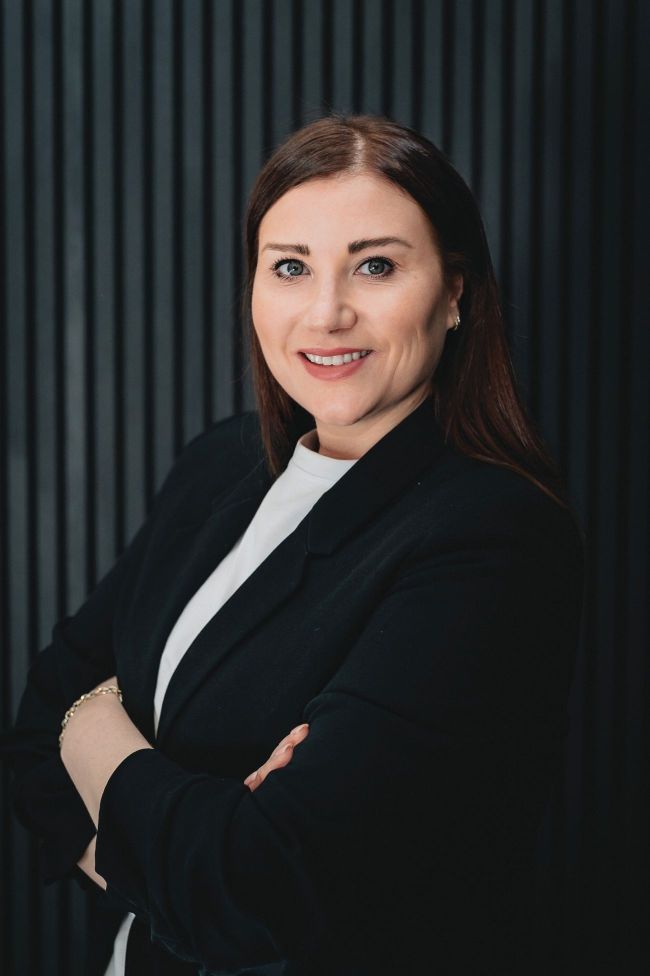
LIANNE SYKES is a marketing specialist and founder of PR, media, marketing and events company Quirky Frog. Sykes specialises in client communication, social media strategy and brand positioning, via education-led marketing.