Business tips
Ask the experts
Our beauty experts answer your questions about every aspect of running a salon or spa business
How should I adjust my consultation process for technology-based treatments?
Technology has transformed the skincare industry, but even the most advanced device cannot make the right clinical decision for you.
Whether you're using RF microneedling, IPL, ultrasound, radiofrequency or another skin device, it will only deliver what the practitioner tells it to deliver. The consultation is where we establish what is actually happening within the skin, whether the client is suitable and which treatment approach will provide the safest and most realistic outcome. Clinics can invest thousands in the latest technology, but if the assessment and treatment planning are poor, the results will be too.
One of the biggest mistakes I see is treating the consultation as a form that needs completing rather than a clinical investigation. We can become so focused on identifying contraindications that we forget to properly understand the client's skin. What is causing the concern? How long has it been present? What has already been tried? Are we dealing with sensitivity, inflammation, pigmentation, impaired barrier function or several concerns at once?
Not every client fits neatly into a textbook example. We need to ask better follow-up questions, assess what we can see and feel, establish a baseline and understand when the treatment the client has requested may not be the treatment their skin actually needs.
Those findings should then shape every stage of the treatment journey. A treatment plan should never be based solely on what the client wants to book or which device the clinic wants to sell. Instead, the consultation should help us decide what needs treating first, which technology is appropriate and whether the skin needs preparation before any device-based procedure begins.
For example, treating pigmentation without exploring its cause or using an aggressive treatment on an already compromised skin barrier could worsen the concern. Good treatment planning may involve combining different approaches, spacing treatments appropriately, reviewing homecare or referring the client when something requires medical investigation. Sometimes the safest and most professional decision is not to treat immediately. If I could encourage every practitioner to make just one improvement this month, it would be to introduce a structured reassessment before every treatment. Don't simply ask, "Has everything been OK?" Review the skin, compare photographs, ask what has changed, record the previous response and use that information to decide whether the treatment plan or device parameters need adjusting. Consultation should continue throughout the client's journey. It isn't something we complete once and file away.
At Professional Beauty London, I'll be looking beyond individual machines and discussing the wider use of technology across the skin industry. I'll also challenge whether current training standards truly prepare practitioners to understand the skin, plan progressive treatment journeys and troubleshoot when a client doesn't respond as expected. Learning how to operate a device isn't the same as learning how to think clinically, and my aim is to help practitioners connect what they see in consultation with what they actually do in the treatment room.
Don’t miss Chelsea Dugdale’s talk ‘Why your consultation matters more than your technology’ at Professional Beauty London on the Skin & Longevity Stage at 11am on Sunday, October 4. Visit
professionalbeauty.co.uk/stages
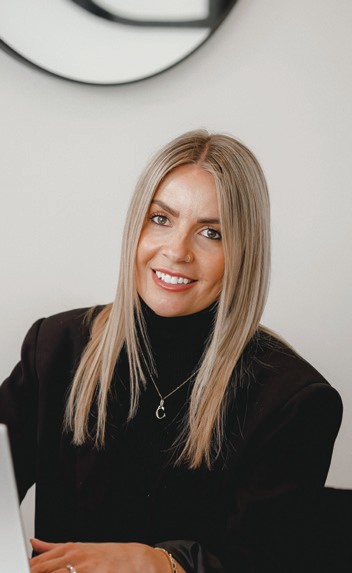
CHELSEA DUGDALE is a clinic owner and educator, and the founder of Dermalase Clinic and Skin Thirteen Academy in Norwich, with experience in clinical practice and laser technology.
What should I consider before investing in education?
The beauty industry has never offered more training opportunities, but more choice doesn't always mean better value. Over the past 20 years, I've opened four salons, invested in countless courses and experienced first-hand what makes education worth the investment. One thing I've learnt is that valuable education should leave you with far more than a certificate.
A certificate tells me you completed a course; it doesn't necessarily tell me that you can confidently take what you've learned and use it in the real world. I've always looked for education that gives me a deeper understanding of why I'm doing something, not just a list of steps to follow. Good training should build your confidence, your knowledge and your ability to think for yourself when a client doesn't fit the textbook example.
It's also important to look at the person delivering the education. Have they actually done what they're teaching? Do they have years of industry experience? Have they experienced the mistakes, challenges and realities that come with it? The best education I've invested in has continued to influence my career years later. That's the return on investment I'm looking for.
When choosing a course, I would always question training that promises unrealistic results or makes everything sound too easy. The beauty industry moves quickly and it's easy to be drawn into the next big trend, but a course should never be sold as a shortcut to success.
I'd also look closely at the trainer's experience and credentials. Social media can make someone look like an expert overnight, but I want to know what they've actually done within the industry.
I'd also be wary of anyone who focuses more on selling the dream than preparing you for the reality. Good education should include the difficult conversations too – consultations, contraindications, complications, insurance, client expectations and what to do when something doesn't go to plan.
Beyond gaining a certificate, education should give you the confidence to actually use your skills. It should help you understand your client, your pricing, your positioning and how a treatment fits into a sustainable business. I've learnt that being technically brilliant isn't always enough. You also need to understand how to turn your skills into a business that works for your life.
If you're planning your training over the next 12 months, I'd recommend starting with the foundations. Don't feel like you have to learn every new treatment that appears on social media. Instead, ask yourself what your existing clients actually need and where the gaps are in your business. I'd rather see someone become exceptional at one service and build a strong reputation around it than constantly jump from one course to another. I'd also invest in education that will still be valuable in five years, not just what's trending today.
At Professional Beauty London, I'll be sharing the lessons I've learnt over the past two decades in the industry – what has genuinely moved my career forward, what hasn't, and why I believe the right education can completely change the direction of your business. Ultimately, the best education should leave you feeling inspired, supported and confident about what comes next. A certificate is lovely to have, but the real value is in walking away with knowledge you can actually use.
Don’t miss Rosie Kefford on our ‘How to spot training that's actually worth your money’ panel at Professional Beauty London – head to the Professional Beauty Stage at 1.40pm on Sunday, October 4.
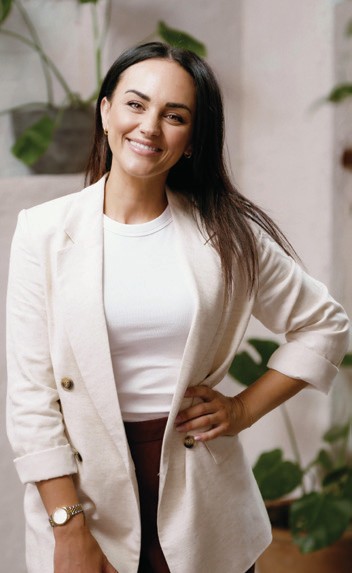
ROSIE KEFFORD is a salon owner and educator with 20 years’ experience in the beauty industry. She is the owner of Rosie’s Beauty Specialists and Niche Beauty Education in Suffolk, and was a finalist for Therapist of the Year at the Professional Beauty Awards 2026.
Which health factors could influence treatment outcomes?
Having worked across dermatology, primary care and advanced clinical practice, I've seen first-hand that skin concerns rarely exist in isolation. The skin is often a reflection of what's happening internally. While topical skincare and in-clinic treatments are valuable, they may not achieve optimal or lasting results if underlying health factors aren't recognised.
Hormones, nutrition, stress, sleep, medications and chronic health conditions can all influence skin function, healing and treatment outcomes. Looking beyond the skin allows us to deliver more personalised, evidence-based care while helping clients understand that healthy skin is closely linked to overall wellbeing.
Some of the most significant influences I see are hormonal changes, particularly menopause, polycystic ovary syndrome (PCOS) and thyroid disorders, all of which can contribute to acne, pigmentation, hair loss and changes in skin quality. However, these aren't the only factors practitioners should consider. Sleep quality, chronic stress, nutrition, iron deficiency, smoking, alcohol consumption and UV exposure are also frequently underestimated. We should also be aware of medications, including newer treatments such as GLP-1 receptor agonists, which may influence skin quality through rapid weight loss. These factors don't replace good skincare, but they often explain why some clients plateau or don't respond as expected. Recognising these influences allows us to personalise treatment plans and manage expectations more effectively.
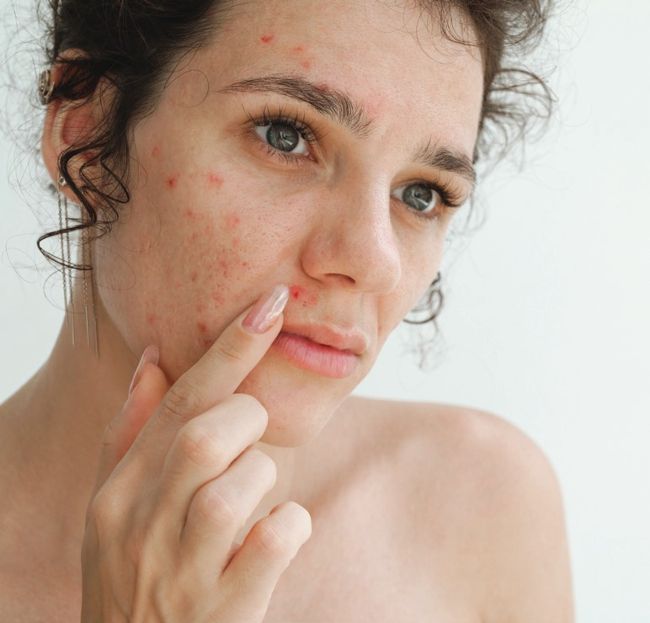
So, how can beauty professionals explore these wider health factors while staying within their scope of practice? For me, it starts with curiosity rather than diagnosis. Simple, open-ended questions about lifestyle, medical history, medications and general wellbeing can reveal valuable information without stepping outside professional boundaries.
Our role isn't to diagnose medical conditions but to recognise when something may be contributing to a client's concerns and, where appropriate, encourage them to seek assessment from their GP or another healthcare professional. Knowing when to refer is just as important as knowing when to treat. This collaborative approach strengthens trust while ensuring clients receive safe, holistic care.
If I could encourage practitioners to make one change to their consultation process, it would be to slow it down. Rather than focusing solely on the treatment a client has requested, spend time understanding why they're experiencing their skin concern and what may be influencing it. A structured consultation that explores medical history, lifestyle, medications, expectations and treatment goals often leads to better outcomes and helps clients feel genuinely listened to.
Sometimes the most valuable outcome of a consultation isn't recommending a treatment. It's recognising an underlying factor that had previously gone unnoticed.
At Professional Beauty London, I hope delegates leave feeling more confident in looking beyond the skin. Whether you're a beauty therapist, skin specialist or aesthetic practitioner, understanding the wider health factors that influence treatment outcomes enables safer, more personalised care and strengthens the trust clients place in us.
I'll be sharing practical consultation strategies, discussing when referral is appropriate and exploring real clinical examples that demonstrate why a holistic approach matters.
Don’t miss Teresa Tan on the Skin and Longevity Stage at Professional Beauty London, where she’ll be taking about "Looking beyond the skin: understanding the health factors that influence treatment outcomes" at 11am on Monday, October 5.
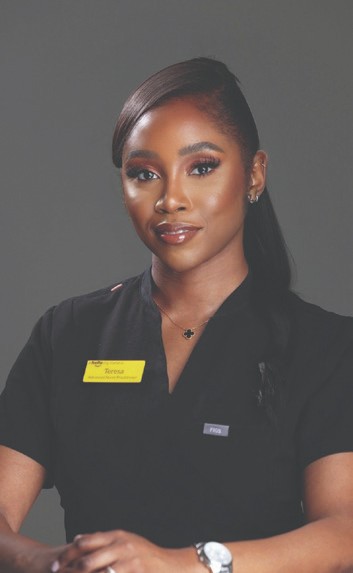
TERESA O’NWERE-TAN is an advanced nurse practitioner, independent prescriber and the founder of Tan&Co, a London clinic dedicated to evidence-based skin health and regenerative aesthetics. Tan has more than 18 years of experience.