Hot topic
Has holistic lost its meaning?
With “holistic” now used as a catch-all term across beauty and
wellness, Kathy Scott questions whether the word’s overuse risks
stripping it of the clarity, standards and credibility it was built on
In beauty and wellness, “holistic” has become one of the most overused words in the room. That is not entirely a bad thing, as it reflects a shift in client thinking. People are asking better questions and looking beyond quick fixes, showing more interest in sleep, stress, nutrition, hormones and long-term skin health rather than just surface-level results.
The issue is that as “holistic” has become more marketable, it has also become more vague. It is now used to describe a wide range of services and philosophies, many of which differ significantly in training and depth of practice. When one word is stretched to cover everything, the public loses clarity and practitioners lose distinction.
I say this as someone who identifies as a holistic skin practitioner. My background includes homeopathy, massage, reflexology, beauty and skin, and I came to that title because no single label captured the way I work. My practice sits at the meeting point of beauty and complementary therapy.
Holistic practice goes beyond adding a few wellness questions to a consultation form. It involves working with the whole person rather than focusing only on the visible symptom. Skin is influenced by far more than products and procedures, and factors such as lifestyle, stress, emotional wellbeing, habits and daily rhythms all play a role.
But for me, genuine holistic practice extends even further. Alongside the physical and emotional aspects, there may also be an energetic or spiritual dimension. These areas are harder to measure and do not sit neatly within a conventional clinical model, but they are part of many traditional holistic disciplines.
For those trained in that way, this is an integral part of the work. Not every practitioner will work at that level, and not every client will want it, which is entirely valid. But if we are going to use the word “holistic”, it is worth recognising that, at its deepest level, it has historically meant more than symptom management with a lifestyle layer.
Losing consistency
Over the past 18 months, I have paid closer attention to how the term is being used across the industry, and a few patterns have emerged. First, “holistic” is now being used to market services that would never previously have associated themselves with that term. Second, it no longer means the same thing from one business to the next. And third, it has become a buzzword – shorthand for “we care” or “we look at lifestyle too”.
This is where the issue begins. If a clinic describes itself as holistic because it asks about sleep and stress or recommends supplements, that may reflect an effort to see the client in context but it is not enough to claim holistic practice in the fullest sense of the word.
A changing market
This is not a criticism of therapists or clinic owners who are evolving their services in response to changing client demand. The industry should evolve and take greater account of the wider factors that influence skin health and wellbeing.
However, there is a difference between being holistic-informed and being a qualified holistic practitioner. One may involve expanding consultation style and knowledge of lifestyle factors, while the other is rooted in a deeper framework of training, philosophy and professional boundaries.
This lack of clarity matters for clients, who deserve to know what they are booking into. At present, the word “holistic” offers very little certainty. One practitioner may be offering an integrative, whole-person approach grounded in years of complementary therapy training, while another may simply be incorporating a broader consultation style alongside a conventional treatment menu, and others using it to signal something natural or wellness-led.
Holistic practice is not defined by the questions you ask alone, but by what you are trained to recognise and hold in the client in front of you. Physical symptoms may sit alongside emotional or deeply personal layers, and understanding how to respond, where your role begins and ends, and when to refer on requires both training and experience.
The importance of standards
This is also why education and regulation matter. Too many short, poorly regulated courses promise professional identity without delivering professional depth.
When complex modalities are condensed into a weekend certificate and sent straight into the marketplace, the public is left to assume that all qualifications are equal, which is not the case.
Practitioners who have invested years in study, practice, supervision and continuing professional development are right to question the impact this has on the credibility of their field.
If we are serious about standards in advanced aesthetics, we should apply the same level of seriousness to holistic practice. Regulation, transparency and training quality should not matter only when a treatment involves a needle. They also matter when a practitioner is working with vulnerability, trust, health narratives and the broader wellbeing of the person in front of them.
Evidence based
I also believe we need to challenge the assumption that holistic means soft, vague or less effective. Done well, holistic skin practice can deliver significant and lasting change. It simply works from a broader understanding of the person and often from a different philosophy of care.
It asks not only what needs to be treated, but what needs to be understood. It respects the process as well as the outcome. And for those of us who work this way, that is not a weakness.
This is not about ownership of a word, but about responsibility in how it is used. If “holistic” is to remain meaningful, the industry needs to be more precise about what it describes. Clearer distinctions are needed between holistic-inspired branding, holistic-informed consultations and fully qualified holistic practice, and the training behind the title should be recognised and respected.
If every business can call itself holistic, regardless of depth or training, the word risks losing its meaning entirely.
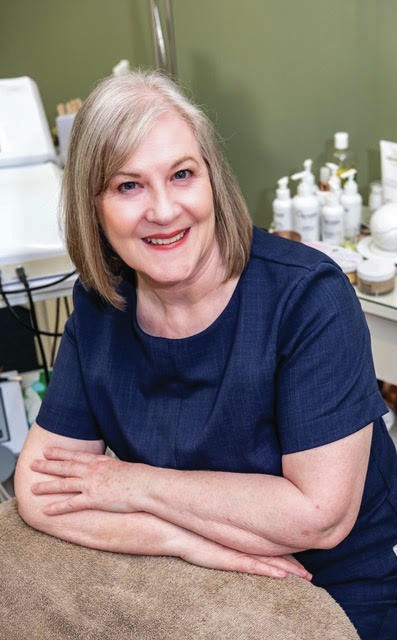
KATHY SCOTT is a holistic therapist and owner of Ginger Tree Holistic Skin Clinic near Richmond, North Yorkshire, where she specialises in bespoke holistic face and body treatments, combining non-invasive methods with medical-grade products.